
Car insurance is essential for vehicle owners in the United States. It provides financial protection against accidents, theft, and other damages that may occur. This article explores the best car insurance options available. It covers top companies, coverage types, cost factors, discounts, and tips for managing policies effectively.
Best Car Insurance Companies
Travelers
I’ve been with Travelers for a while now, and the biggest plus for me was the price — my rate came out to $736 below the national average, which was better than I expected. Even with a speeding ticket on my record, their quote was still one of the lowest I found.
They offer a solid list of discounts, and I was able to stack a couple to bring the price down even more. The customer service has also been smooth — I’ve had no issues so far, and it’s been easy to manage everything online.
One thing to note: not all discounts are available in every state, so it’s worth double-checking what applies to you. But overall, Travelers has been a reliable and affordable option for me.
Geiko
I’ve tested a few insurance companies over the years, and Geico has been one of the most affordable. My rate came in about $683 below the national average, which was a pleasant surprise. They also offer more discounts than any other provider I’ve used — I qualified for both a safe driver and multi-policy discount, and the savings added up fast.
What really stood out was the customer service. I had to file a claim last year, and the process was fast and straightforward. No headaches, no long phone calls. Just solid support and follow-through.
That said, Geico doesn’t offer as many coverage add-ons as some competitors. They do have a few extras, like mechanical breakdown coverage, but if you’re looking for full customization, it may feel limited.
Overall, though, Geico’s pricing and customer experience made it a strong choice for me.
USAA
As someone eligible for USAA, I can honestly say their rates are tough to beat — my premium was $1,125 below the national average, which was the lowest I found anywhere.
Their coverage is solid across the board, and I liked that they offer features specifically for military families, like a discount if your car is kept on base. They also include extras like rideshare insurance, which not all providers have.
The only downside? You have to be military, a veteran, or family of one to qualify. But if you are, USAA is absolutely worth considering — both for the savings and the service.
Progressive
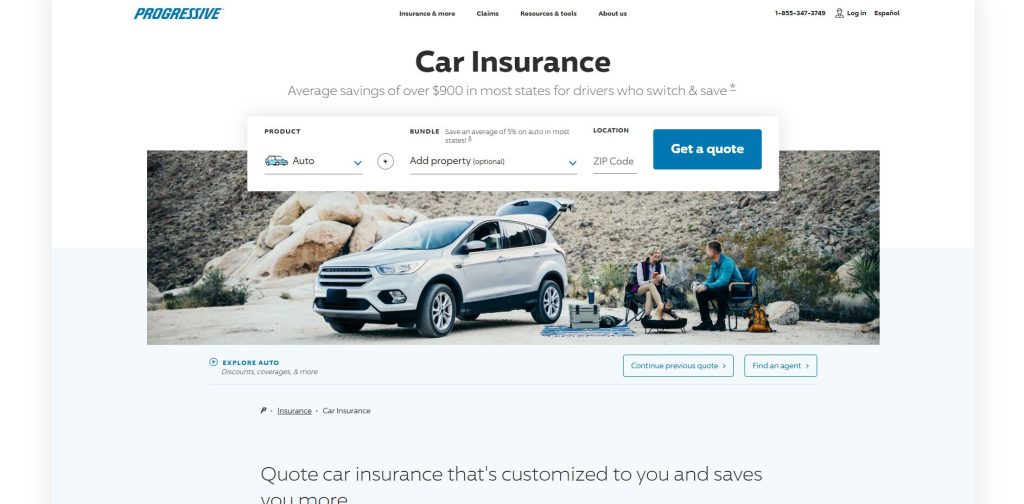
I’ve been using Progressive for a while, and overall, it’s been a solid experience. My rate came in about $537 below the national average, and as someone with a past DUI, their pricing was by far the best I found.
They also offer a ton of discount options and some unique extras, like coverage for custom parts and even pet injuries — which not every insurer includes.
That said, if you’re a teen driver, Progressive might be pricey. Their rates in that category were higher than others I’ve looked into. But for most drivers, especially those with less-than-perfect records, they’re definitely worth a look.
Allstate
I’ve been with Allstate for a while, and while I’ll admit their rates are on the higher side — my premium was about $844 above the national average — the claims experience has been excellent.
When I had to file after a fender bender, the process was quick, clear, and handled professionally. That kind of reliability made the extra cost feel more justified. They also offer plenty of add-ons, like rental coverage, accident forgiveness, and roadside assistance, which added value for me.
That said, if you’re mainly looking for the lowest price, Allstate might not be it. But if service and peace of mind matter more to you, they’re a strong option.
Nationwide
I gave Nationwide a shot mainly because of their reputation for helping drivers with poor credit — and they delivered. My rate was $362 below the national average, and for my credit situation, that was a win.
One thing I really liked is their pay-per-mile option, which worked well for me since I don’t drive a ton. They also offer extras like accident forgiveness and a vanishing deductible, which adds some real value over time.
Just keep in mind, Nationwide isn’t available in every state, so check availability first. But if they operate in yours, they’re definitely worth a look — especially if your credit’s less than perfect.
Farmers
Farmers wasn’t the cheapest option I looked at — in fact, my quote was about $650 above the national average — but they do offer a ton of add-on coverage that a lot of other companies don’t.
I was impressed by the range: rideshare coverage, gap insurance, accident forgiveness, and even protection for custom equipment. If you’re looking for policy flexibility, they’ve got it.
They also have a wide variety of discounts, which helped me bring the price down a bit. Still, if low rates are your top priority, Farmers might not be the best fit — but for comprehensive coverage and customization, they’re solid.
Auto-Owners
I ended up trying Auto-Owners mainly for my teen driver — their rates were $585 below the national average, and honestly, it was one of the most affordable options we found for younger drivers.
They offer great discounts geared toward teens, like one for using a monitoring app or GPS, which helped lower our premium even more. When we had to file a minor claim, the process was smooth, and their support team was responsive.
Just keep in mind, they only operate in 26 states, and their list of coverage add-ons is more limited compared to other companies. But if you’re eligible and have a young driver on your policy, Auto-Owners is definitely worth looking into.
Erie insurance
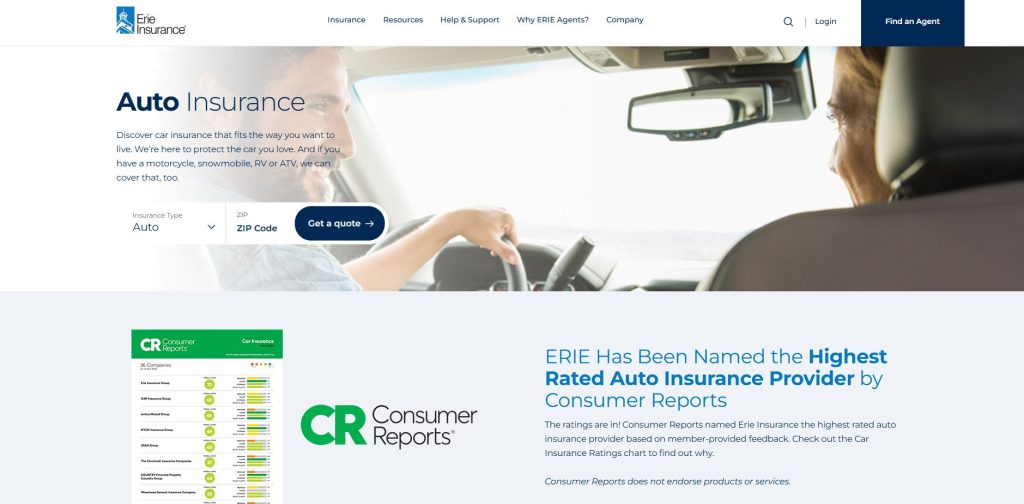
I didn’t know much about Erie at first, but I gave them a try after hearing good things — and I’m glad I did. My rate was $676 below the national average, and their customer service has been excellent from day one.
They handled my claim quickly, and everything felt straightforward. Erie also offers some solid coverage options, like protection for personal items in your car, which not every company includes.
The catch? They’re only available in 12 states and D.C. So if you’re in one of those areas, Erie is definitely worth checking out — especially for the price and support.
StateFarm
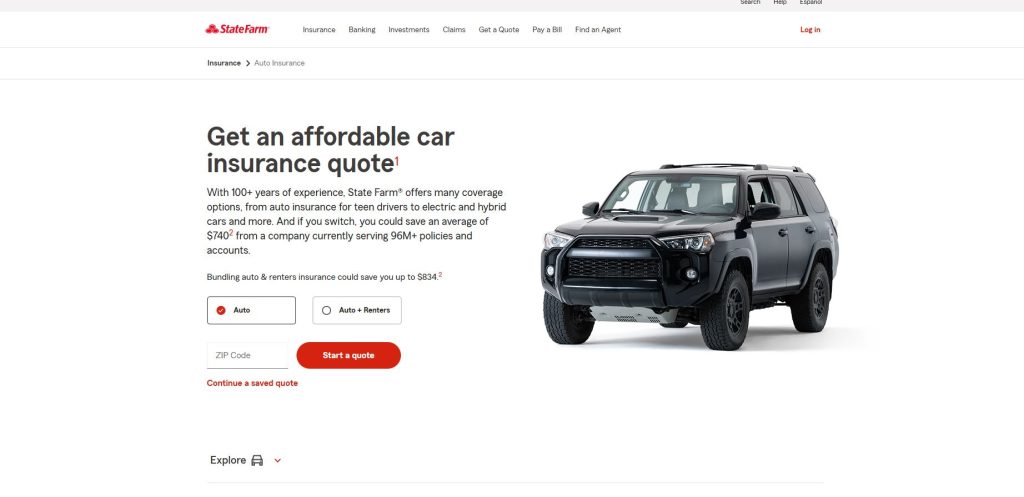
I’ve been using State Farm recently, and while my premium was slightly above the national average by $111, I found their usage-based program to be a great way to save. I got a discount just for enrolling, and the potential savings for safe driving made it worth it.
They also offer lower rates for some driver groups, like teens or those with a DUI, which isn’t always easy to find. I haven’t had to file a claim yet, but their app and accident assistance features give me some extra peace of mind.
One thing to note: if your credit isn’t great, State Farm’s pricing can climb. Still, with the right profile and good driving habits, they’re a solid option.

Best Car Insurance for Teens

Best car insurance for seniors

Best Car Insurance for Seniors Over 65: Top Options and Discounts

Best Car Insurance for New Drivers: Top Affordable Options

How to Get Cheap Car Insurance: Top Tips and Tricks

Car insurance calculator: get your estimate cost
Top Car Insurance Companies and Carriers
Choosing the right car insurance provider is essential for ensuring that vehicle owners receive adequate coverage at competitive rates. Several companies stand out in the industry, each offering unique benefits and features to meet various customer needs.
- Geico: Known for its low rates and solid customer service, Geico continues to be a favorite among car owners. Their user-friendly online platform simplifies the process of obtaining quotes and managing policies.
- Progressive: This company offers innovative options like Name Your Price tool, which helps customers tailor coverage to their budgets. Progressive is also noted for its strong auto insurance offerings for high-risk drivers.
- Travelers: As one of the oldest insurers, Travelers provides a wide range of coverage options and discounts. Its reputation for handling claims efficiently adds to its appeal.
- USAA: Exclusively serving military members and their families, USAA is recognized for its exceptional service and competitive pricing. It consistently ranks high in customer satisfaction surveys.
- State Farm: Being one of the largest car insurance providers in the country, State Farm features a vast network of agents. This accessibility makes it easier for customers to receive personalized service.
- Nationwide: Known for its comprehensive coverage options and exceptional customer support, Nationwide aims to provide tailored solutions to drivers, including pay-per-mile policies that appeal to occasional drivers.
Each of these companies has strengths that appeal to different demographics. Factors such as customer service, pricing, and the scope of coverage may influence a driver’s choice. Understanding these distinctions is crucial in making an informed decision.
Understanding Car Insurance Coverage Types
Choosing the right car insurance coverage is essential for ensuring adequate protection on the road. There are several types of coverage available, each serving a unique purpose in protecting drivers, vehicles, and finances.
- Liability Coverage: This is often a requirement in most states. It covers damages to other people’s property and medical expenses if the insured is at fault in an accident.
- Collision Coverage: This type pays for damages to the insured’s vehicle in case of a collision, regardless of who is at fault. It is beneficial for newer or more valuable cars.
- Comprehensive Coverage: Comprehensive coverage protects against non-collision-related incidents such as theft, vandalism, or natural disasters. This coverage provides an extra layer of security for vehicle owners.
- Uninsured/Underinsured Motorist Coverage: This protects drivers in accidents involving parties who lack sufficient insurance. It ensures that expenses are covered even when the at-fault party cannot pay.
- Medical Payments Coverage: Also known as MedPay, this helps cover medical expenses for the driver and passengers, regardless of fault. It can alleviate financial strain following an accident.
Understanding these coverage types is crucial for making informed decisions. Each driver’s needs and circumstances can greatly influence which policies will provide the best protection.
Furthermore, evaluating coverage options can help avoid gaps that may lead to significant out-of-pocket expenses in the event of an accident. It is important to carefully assess personal needs and state requirements when selecting the right coverage.
How Car Insurance Rates Are Determined
Determining car insurance rates involves multiple factors that reflect the risk involved in insuring a particular driver and vehicle. Insurers analyze a myriad of data points to establish the premium that each policyholder will pay.
Key elements impacting insurance rates include:
- Driving Record: A clean driving history with few or no accidents generally results in lower premiums. Conversely, a record with speeding tickets or accidents can lead to higher rates.
- Age and Gender: Younger drivers, especially males, are often charged higher rates due to statistical evidence indicating higher risk of accidents in this demographic.
- Location: The area where a driver resides significantly affects rates. Urban areas typically experience higher theft and accident rates compared to rural settings.
- Type of Vehicle: The make and model of the car influence rates. More expensive or powerful cars often come with higher premiums due to increased repair costs and higher theft rates.
- Coverage Type and Deductibles: The level of coverage selected and the chosen deductible can also impact costs. Comprehensive policies with lower deductibles generally lead to higher premiums.
Insurance companies also assess credit scores, as improved credit histories often correlate with fewer claims. Insurers believe that drivers with higher credit scores are more responsible and, therefore, are less likely to file claims. Other factors like marital status and the number of miles driven annually may also play a role in the final determination of insurance rates.
In essence, understanding the variables that influence car insurance rates can provide valuable insights for individuals seeking affordable and suitable coverage options.
Average Costs and What to Expect
The cost of car insurance varies significantly based on a variety of factors. Effective premiums depend on the individual driver profile, including age, driving history, and the type of vehicle insured. Understanding the average price range can help in making informed decisions.
On average, U.S. motorists can anticipate spending between $1,000 to $2,000 per year for their car insurance. However, this figure fluctuates based on regional factors and personal circumstances. Consider the following factors that influence premium costs:
- Type of Coverage: Comprehensive and collision coverage typically leads to higher premiums.
- Location: Urban areas often see higher rates due to increased risk of accidents and theft.
- Vehicle Type: Luxury or high-performance cars usually incur higher insurance costs.
- Credit Score: Insurers may use credit history as an indicator of risk, impacting rates.
In addition, it is essential to evaluate the cost of different coverage types. Full coverage includes liability, collision, and comprehensive insurance, providing robust protection but often at a steeper price. Conversely, minimum coverage options can help save money but may leave drivers underinsured in case of an accident.
Moreover, drivers should be aware of the specific elements that can elevate their premiums over time. These include claims history, driving violations, and even lifestyle changes that affect driving habits. Regularly assessing insurance needs can lead to better financial outcomes.
Discounts to Lower Your Car Insurance Premium
Many car insurance providers offer a variety of discounts that can significantly reduce premiums. Understanding these options allows policyholders to optimize their coverage and save money.
- Good Driver Discounts: Insurers frequently reward drivers with clean records by offering lower rates. This discount acknowledges responsible driving behavior and can lead to substantial savings over time.
- Multi-Policy Discounts: Combining auto insurance with other types of coverage, such as home or renters insurance, often results in a discount. Insurers encourage bundling policies to promote customer loyalty.
- Student Discounts: Full-time students who maintain a certain GPA can qualify for this discount. This caters to young drivers, making insurance more affordable while promoting safe driving habits.
- Affiliation Discounts: Discounts may be available for members of specific organizations, professions, or alumni groups. Consulting with an insurer about potential affiliations can uncover additional savings.
- Safety Features Discounts: Vehicles equipped with safety features such as anti-lock brakes, airbags, and anti-theft devices may qualify for premium reductions. Insurers appreciate these advancements as they mitigate risks.
Regularly reviewing available discounts and discussing them with insurance representatives can yield valuable financial benefits. Staying informed about updated discount offerings ensures that policyholders maximize their savings potential.
Managing Your Car Insurance Policy
Effectively managing a car insurance policy involves regular reviews and adjustments as personal circumstances change. Policyholders should consistently evaluate their coverage needs, especially after significant life changes such as moving, buying a new vehicle, or changes in driving habits. Tailoring the policy to reflect these changes can ensure optimal protection and cost efficiency.
Staying informed about the policy terms is pivotal. Understanding coverage details, deductibles, and limits helps in making informed decisions during renewals. Most insurance companies offer an online portal for easy access to policy information, enabling users to review documents and make necessary updates without hassle.
- Review premium payments: Monitoring monthly payments helps identify potential savings or necessary adjustments.
- Check renewal terms regularly: Policies may change upon renewal, potentially increasing rates or altering coverage provisions.
- Utilize available discounts: Many insurers offer various discounts that can apply to multiple facets of policy management, such as bundling policies or maintaining a clean driving record.
Communication with the insurance agent also plays a crucial role. Keeping an open line ensures any arising questions are promptly addressed, and adjustments are made swiftly. Regular conversations can highlight new coverage options that may further enhance the policy.
Finally, documenting claims and maintaining copies of all communications with the insurer is essential. This practice not only assists in managing the policy effectively but also aids in the claims process if any issues arise later. A well-organized approach contributes significantly to satisfactory insurance management.
Customer Service and Claims Process
Exceptional customer service is a cornerstone of the car insurance experience. The responsiveness and support from an insurance provider can significantly affect the overall satisfaction of policyholders. When selecting an insurer, it is essential to consider their reputation for service and support.
The claims process is a critical area where customer service shines. A streamlined and user-friendly claims process is vital for addressing incidents quickly and efficiently. Consumers often appreciate insurers that offer multiple channels for reporting claims, including online portals, mobile applications, and phone support.
- Access to 24/7 claims reporting can add peace of mind, especially in emergencies.
- Tracking a claim’s status through online tools enhances transparency.
- Dedicated claims adjusters can personalize the experience and expedite resolution.
Another factor to consider is the efficiency of the claims settlement process. Speediness and fairness in payouts can turn a stressful situation into a manageable one. Companies that prioritize timely communication throughout the claims process tend to earn higher satisfaction ratings.
Customer feedback is invaluable for assessing the quality of service. Reviews and ratings can provide insights into how insurers handle claims and support their customers during challenging situations. This information can guide consumers in selecting an insurer that values its clients and strives for excellence in customer service.
Tips for Finding the Best Car Insurance in 2026
Finding the optimal car insurance in 2026 requires careful consideration and research. The insurance landscape is constantly evolving, influenced by technology and consumer preferences. Understanding these changes can help in selecting the right coverage.
- Research Multiple Providers: Consulting a variety of insurance companies allows for a comparison of rates and coverage options. Different insurers may offer unique discounts and benefits.
- Utilize Online Comparison Tools: Take advantage of online platforms that simplify the process of comparing car insurance quotes. These tools can display coverage options side by side for more straightforward decision-making.
- Evaluate Coverage Needs: Assess personal needs based on factors such as driving habits, vehicle type, and financial circumstances. This self-evaluation will inform which coverage levels are necessary.
- Inquire About Discounts: Insurers frequently provide various discounts that could lower premiums. Common discounts include those for safe driving records, multiple policies, and vehicle safety features.
- Stay Informed About Policy Changes: Insurance companies may adjust their policies annually. Keeping up with these changes can help maintain optimal coverage and avoid unexpected costs.
- Read Customer Reviews: Opinion from existing customers can give insights into the quality of service and claims processes. Researching reviews can help identify reputable providers.
Engaging with agents can offer additional insights and clarify any uncertainties regarding specific policies. This, combined with thorough research and diligence, will lead to better insurance choices in 2026.
Finally, understanding regional differences in rates and coverage options is crucial. Depending on the state, certain policies may be more advantageous. Adjusting the insurance selection based on local regulations can yield significant savings.