

Finding the best car insurance for new drivers can be challenging. Young drivers often face higher rates due to their limited driving experience and risk factors. This article provides an overview of important considerations for new drivers, including insurance options, coverage types, and strategies to save on premiums. Understanding these elements can help new drivers navigate their insurance needs effectively.
Comparing the Best Car Insurance Options for New Drivers Under 25
When it comes to car insurance for drivers under 25, evaluating options is essential for securing affordable coverage. Several factors play into the rates and types of policies available, making it crucial to compare various providers and their offerings.
Overview of Top Insurance Companies for Young Drivers
Several insurance companies are recognized as top contenders for young drivers, providing competitive rates and tailored coverage. A few notable options include:
USAA
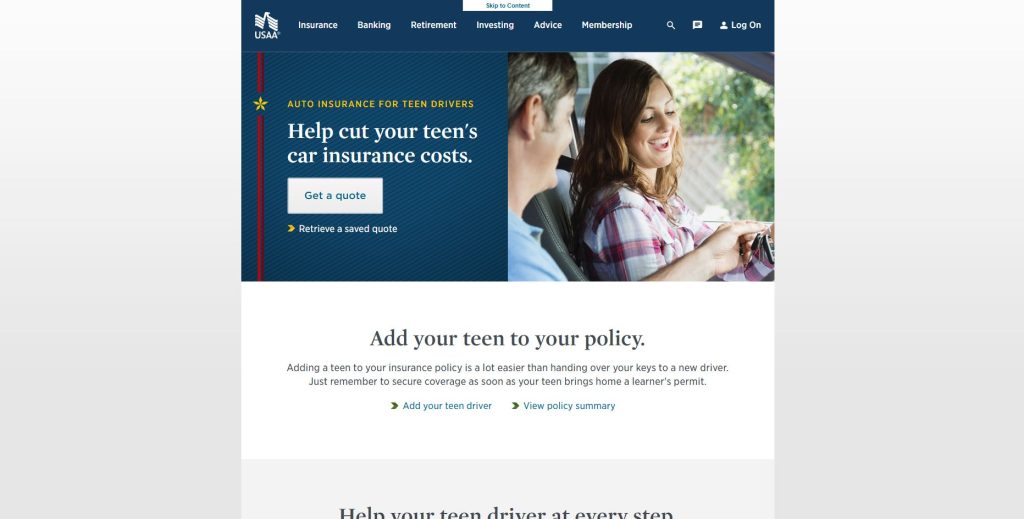
Known for outstanding customer service and lower rates for eligible members, USAA is a prime choice for those with military affiliations.
State Farm
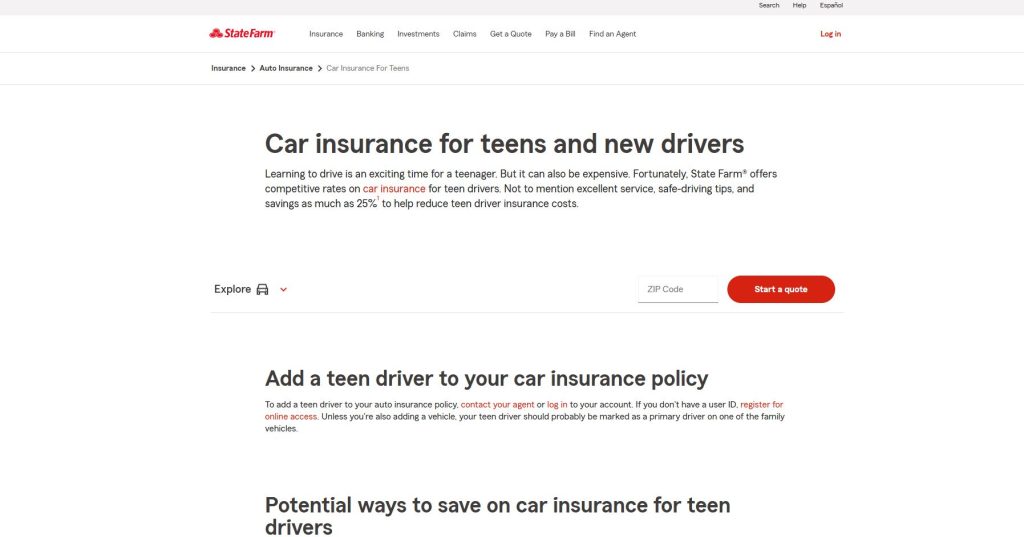
With a broad network of local agents and various discounts, State Farm is a strong option for personalized service.
Geico
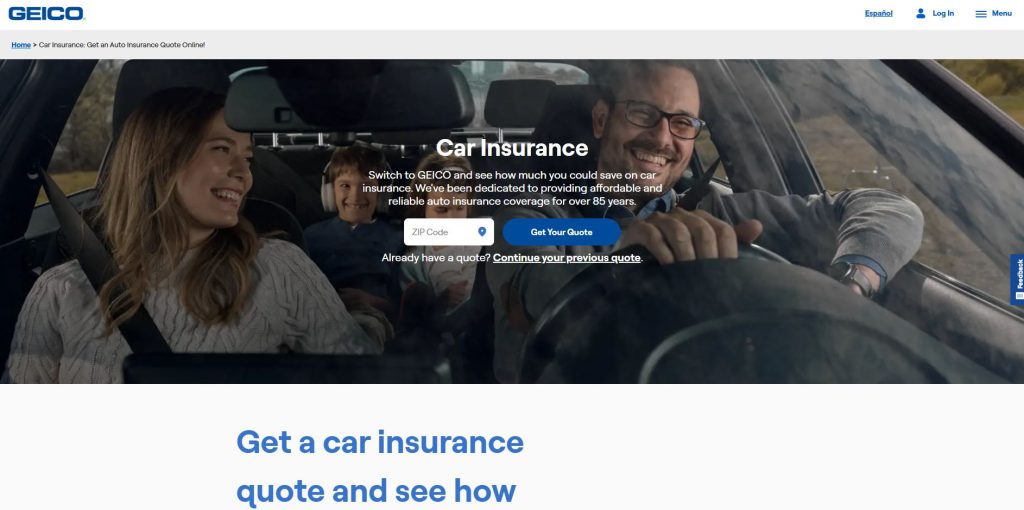
Often recognized for its low rates, Geico offers a user-friendly online platform and several discounts for young drivers.
Progressive
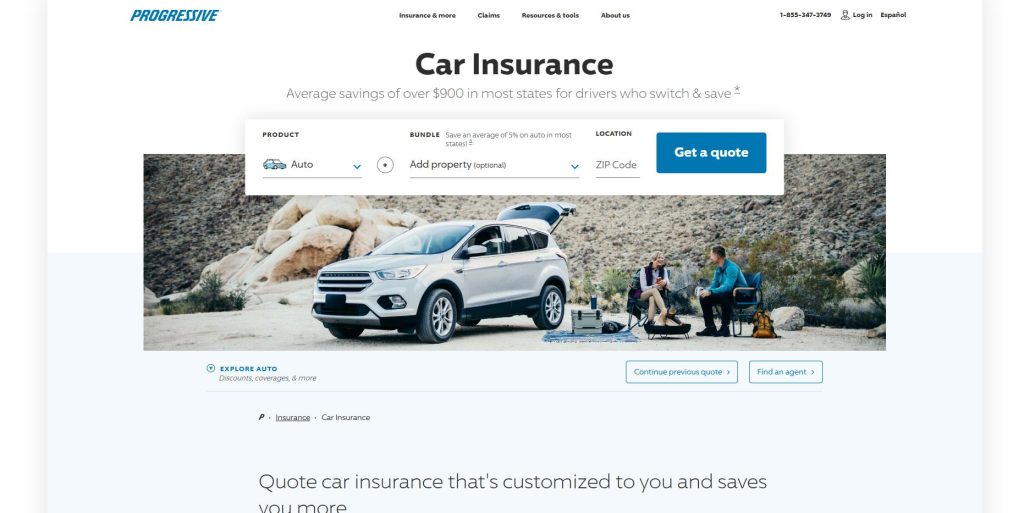
Offering a unique Name Your Price tool, Progressive helps young drivers find quotes that fit their budgets.
Cheapest Car Insurance Companies for New Drivers
Finding the most affordable car insurance can be challenging. However, data suggest that the following companies typically offer the cheapest rates for young drivers:
- USAA: Generally, USAA’s rates are lower compared to other insurers, particularly beneficial for military families.
- Geico: Known for competitive pricing, Geico appeals to many young drivers looking for affordability.
- SafeAuto: This company provides budget-friendly options tailored for those seeking basic coverage.
Insurance Companies Offering the Best Discounts for Young Drivers
Many insurance providers recognize the potential for lower premiums through discounts tailored for younger drivers. Some of the best discounts include:
- Good Student Discounts: Many insurers offer this discount for students maintaining a high GPA, rewarding academic success.
- Driver Safety Course Discounts: Completing a certified driver safety course can lead to significant savings.
- Multi-Policy Discounts: Bundling auto insurance with other policies, such as renters or home insurance, often results in lowered premiums.
How Usage-Based Insurance Can Help New Drivers Save
Usage-based insurance (UBI) programs track driving habits and behavior through telematics devices or apps. This innovative approach can lead to lower rates for safe driving practices, making it especially attractive for new drivers eager to prove their responsibility on the road.
With UBI, factors such as speed, acceleration, braking patterns, and even time of driving are monitored. Consequently, careful drivers may enjoy reduced premiums, reflecting their safe driving record.
Evaluating Coverage Options and Rate Comparisons
Choosing the right coverage is imperative, especially for young drivers who may be unfamiliar with their options. It is essential to evaluate:
- Liability Coverage: This is the minimum required by law, covering damages and injuries to others if the driver is at fault.
- Collision Coverage: This covers damages to the driver’s own vehicle following an accident, regardless of fault.
- Comprehensive Coverage: Providing coverage for non-collision events, it protects against theft, vandalism, and natural disasters.
When comparing rates, it’s important to analyze the different coverage types, as well as how they impact premium costs. Engaging in this evaluation can ensure that new drivers select policies that best meet their needs while remaining within budget.
Understanding Car Insurance for New Drivers
For new drivers, navigating the world of car insurance can be quite complex. It is essential to understand not just the financial implications but also the legalities surrounding coverage. This section provides insights into why rates are higher, legal requirements, and the nuances of adding new drivers to existing policies.
Why New Drivers Face Higher Insurance Rates
New drivers, particularly those under 25, typically encounter elevated insurance rates due to their lack of experience on the road. Insurance companies consider them to be higher risk compared to seasoned drivers. Factors influencing these rates include:
- Lack of Driving Experience: Limited time behind the wheel contributes to poor risk assessment.
- Statistical Data: Young drivers are statistically more likely to be involved in accidents.
- Driving History: Those without a clean driving record or any history of claims often face surcharges.
Legal Requirements for Insurance Coverage
Understanding the legal obligations around car insurance is critical for new drivers. Each state has specific requirements regarding minimum insurance coverage. Commonly mandated coverages include:
- Liability Coverage: This is required in almost all states and covers damages to other parties in an accident.
- Personal Injury Protection (PIP): Some states require coverage that pays for medical expenses regardless of fault.
- Uninsured/Underinsured Motorist Coverage: This protects drivers if they are involved in an accident with someone who lacks sufficient insurance.
Adding New Drivers to Existing Car Insurance Policies
When a new driver joins a household, it is essential to consider how this affects insurance coverage. Adding them to an existing policy can often be more economical than purchasing a separate policy.
Benefits of Family Policies vs Individual Policies
Choosing between a family policy and an individual policy involves assessing advantages such as:
- Cost-Effectiveness: Shared policies typically reduce overall premiums compared to individual ones.
- Enhanced Coverage: Policies can be designed to include comprehensive protection for all family members.
- Single Deductible: Families can benefit from a combined deductible, simplifying claims.
When to Consider Getting a Separate Policy
While adding a new driver to a family policy is often beneficial, there are instances when a separate policy makes sense. Consider pursuing an individual policy if:
- The new driver plans to take the majority of their driving independently.
- History of higher risk, such as previous accidents.
- Desire for customized coverage that may differ from existing family policies.
How to Lower Your Insurance Rates as a New Driver
Reducing insurance costs can be a significant concern for new drivers. Implementing effective strategies and taking advantage of discounts can lead to substantial savings.
Strategies to Find Cheap Car Insurance for Young Drivers
New drivers can adopt various tactics to identify affordable insurance options. The first step is to compare quotes from several insurance providers. Rates may differ considerably, so this can yield the most cost-effective choice. Utilizing online comparison tools simplifies this process, allowing for a side-by-side review of coverage and pricing.
Another strategy involves considering usage-based insurance programs. These policies monitor driving habits and can reward safe driving with lower rates, making them an appealing option for responsible new drivers.
Discounts That Can Help You Save on Auto Insurance
Many insurance companies offer a variety of discounts that can reduce premiums substantially. Understanding these discounts is crucial for new drivers seeking lower rates.
Good Student Discounts
Many insurers provide discounts for students who maintain a certain grade point average. This program encourages academic excellence while reducing costs for responsible young drivers.
Driver Safety Course Discounts
Completing a driver safety course may lead to lower premiums as it demonstrates a commitment to safe driving practices. Many companies recognize these courses by offering significant discounts on insurance rates.
Multi-Policy and Family Discounts
Bundling multiple insurance policies, such as auto and home insurance, with the same company can lead to additional savings. Similarly, being added to a family member’s policy may provide lower rates compared to acquiring an individual policy.
Impact of Increasing Your Deductible on Premiums
Adjusting the deductible can have a notable impact on insurance rates. A higher deductible typically results in lower premiums. However, it is important to ensure that the deductible is affordable in the event of a claim. Evaluating personal financial situations can help determine the appropriate balance between deductible and premium cost.
Choosing a Safe Vehicle to Reduce Insurance Rates
The choice of vehicle has a direct effect on insurance premiums. Selecting a car with high safety ratings can lead to reduced insurance costs. Many insurers offer discounts for vehicles equipped with advanced safety features, such as automatic braking and lane assist, as these reduce the risk of accidents.
In summary, employing various strategies can significantly lower insurance costs for new drivers. By staying informed about available discounts and making smart choices regarding vehicle selection and coverage options, new drivers can find affordable solutions that meet their needs.
State-Specific Car Insurance Insights for New Drivers
Car insurance rates and policies can vary significantly from state to state. Understanding the specific regulations and options available in New Jersey and North Carolina can assist new drivers in making informed decisions.
Best Car Insurance for New Drivers in New Jersey
New Jersey has a unique insurance marketplace influenced by its own set of laws and regulations. Here, new drivers often face some of the highest car insurance rates in the country due to various factors.
Local Insurance Companies and Their Rates
Several insurance providers dominate the New Jersey market, offering a variety of policies for new drivers. These companies often have specific programs tailored to young drivers:
- State Farm: Known for excellent customer service and a variety of coverage options, they offer competitive rates for new drivers.
- Geico: This company provides a range of discounts that can benefit young drivers, including savings for good driving behavior.
- Progressive: With a strong emphasis on usage-based insurance, Progressive is a popular choice for those looking to save based on their driving habits.
- NJ Manufacturers: A local favorite, often recognized for low rates and good service, particularly for young drivers.
Unique Discounts Available in New Jersey
New Jersey provides several opportunities for discounts that can significantly lower insurance costs for young drivers:
- Good Student Discounts: Available for students maintaining a certain GPA, offering savings on premiums.
- Defensive Driving Course Discounts: Completing an approved course may lead to lower rates.
- Multi-Car Policies: Families insuring multiple vehicles may benefit from bundled package discounts.
Best Car Insurance for New Drivers in North Carolina
North Carolina presents a different landscape for car insurance, characterized by regulations that often work in favor of new drivers.
Top Insurance Providers in NC for Young Drivers
The following companies stand out in North Carolina for their offerings to young drivers:
- Nationwide: Offers a variety of discounts tailored for new drivers, making it an attractive option.
- Allstate: Known for their strong customer support and a range of coverage options designed for younger individuals.
- Erie Insurance: Offers competitive rates and is appreciated for its straightforward claims process.
State Regulations Affecting Insurance Rates
In North Carolina, insurance rates are influenced by state regulations that aim to create a fair marketplace:
- The state mandates a minimum level of coverage, ensuring all drivers meet basic insurance requirements.
- Insurance companies in North Carolina are regulated, which helps keep rates competitive.
- Specific factors like credit scores can’t affect rates as much as in other states, providing a slight advantage to new drivers.
Types of Car Insurance Coverage Essential for New Drivers
Understanding various types of car insurance coverage is crucial for new drivers. Each coverage type serves specific financial protection needs and legal requirements. Below are key insurance options that can provide valuable security for inexperienced drivers.
Liability Coverage Basics and Legal Minimums
Liability coverage is often the foundation of any auto insurance policy. It protects drivers against damages they may cause to other people and their property. Most states mandate a minimum level of liability insurance to comply with legal requirements. The basic components typically include:
- Bodily Injury Liability: Covers the cost of injuries to others if the insured driver is at fault in an accident.
- Property Damage Liability: Pays for the damage caused to another person’s property, such as vehicles, fences, or buildings.
New drivers must ensure they meet their state’s minimum liability requirements to avoid penalties and protect their finances.
Collision Coverage Benefits for New Drivers
When it comes to protecting one’s own vehicle, collision coverage is indispensable. This type provides reimbursement for repairs or total loss of the insured vehicle due to a collision, regardless of fault. New drivers, who may be more prone to accidents, can greatly benefit from this protection. Collision coverage typically encompasses:
- Repairs after an accident.
- Replacement value if the vehicle is deemed a total loss.
Having this coverage can provide peace of mind, especially for inexperienced motorists navigating busy roads.
Comprehensive Coverage Explained
Comprehensive coverage offers protection against non-collision-related incidents, such as theft, vandalism, or natural disasters. For new drivers, comprehensive coverage can be particularly important because:
- It safeguards against a wide range of potential risks.
- It can cover damages from incidents like falling trees or extreme weather events.
This coverage is especially advisable for new drivers leasing or financing a car, as it can protect their financial investment more comprehensively.
Optional Coverages: Roadside Assistance and Rental Car Reimbursement
Beyond the standard coverage types, new drivers may also benefit from optional protections that can ease unforeseen situations. Roadside assistance is a valuable inclusion for new drivers, offering services like:
- Towing if a vehicle breaks down.
- Battery jump-starts.
- Flat tire changes.
Many insurance policies also provide rental car reimbursement, which covers the costs associated with renting a car while the insured vehicle is being repaired. These options can enhance overall security and convenience for new drivers.
How Coverage Choices Impact Your Insurance Rates
The selection of coverage can significantly influence insurance premiums. Typically, opting for more comprehensive coverage results in higher monthly payments. New drivers should carefully assess their financial situation and risk tolerance when choosing coverage. Factors affecting rates include:
- The type and amount of coverage selected.
- Deductibles, or the amount paid out of pocket before insurance kicks in.
- The type of vehicle insured, with safer and more reliable models often leading to reduced premiums.
Taking time to evaluate coverage options not only ensures adequate protection but can also lead to cost savings in the long run.
Common Questions About Car Insurance for New Drivers
New drivers often have many questions about car insurance as they navigate this essential aspect of driving. Understanding common inquiries can aid in making informed decisions about coverage and optimizing costs.
Should Young Drivers Have Their Own Policy or Be Added to Family Policies?
One of the first decisions new drivers and their families must make is whether to establish a separate insurance policy or to incorporate the young driver into an existing family plan. Typically, adding a new driver to an existing policy is more cost-effective due to shared risk among family members.
Family policies also build a history that can be beneficial in lowering rates over time. However, when a teenager starts driving a more expensive or powerful vehicle, or if they have a poor driving record, a separate policy might be worth considering despite the higher costs associated with it.
What Factors Influence Car Insurance Rates for New Drivers?
Several factors play a critical role in determining car insurance rates for new drivers. Some of the most significant include:
- Driving Experience: Limited driving history typically results in higher premiums.
- Age: Younger drivers, particularly those under 25, face higher rates than older, more experienced drivers.
- Type of Vehicle: Insuring sports cars or high-value vehicles may increase costs significantly.
- Location: Areas with higher accident rates or crime rates can elevate premiums.
- Credit History: In many states, insurers consider credit scores, impacting rates.
How Driving Record and History Affect Insurance Premiums
A new driver’s record becomes an essential factor in how insurance premiums are calculated. Drivers with clean records generally receive more favorable rates. Conversely, any history of accidents or traffic violations leads to higher costs. It may take several years for a new driver to cultivate a clean driving history that can positively affect their premiums.
The Role of Age and Gender in Insurance Pricing
Insurance companies often utilize age and gender statistics to assess risk. Young male drivers, for instance, frequently face higher premiums than their female counterparts due to statistical data reflecting more accidents among young men. As drivers mature and gain experience, rates tend to decrease, bringing them more in line with adult drivers.
When and How to Update Your Insurance Policy After Getting a License
Once a young driver obtains their license, it is crucial to inform their insurance provider promptly. This update ensures that coverage remains valid and accurately reflects any changes in risk. A policy review is often recommended approximately six months after obtaining a license, allowing families to reassess their options based on the driver’s performance and any additional experience gained.
Tools and Resources to Help You Find and Buy the Best Car Insurance
Navigating the landscape of car insurance can be overwhelming for new drivers. Various tools and resources are available to assist in the search for optimal coverage.
Using Online Quotes to Compare Car Insurance Rates
The internet has simplified the process of obtaining car insurance quotes. Online comparison tools allow users to input their information and receive multiple quotes from different providers in a matter of minutes. Several key benefits include:
- Quick access to rate comparisons, offering a wide array of options.
- The ability to review specific coverage details side by side.
- Consumer reviews and ratings that provide insight into company reputations.
Utilizing these online resources can help identify which companies offer the best rates for specific needs and circumstances. It is advisable to gather multiple quotes to secure the most competitive pricing.
Working with Independent Agents vs Direct Insurance Companies
Choosing between independent agents and direct insurance companies can impact the buying experience significantly. Independent agents represent multiple insurers and can provide a broader range of options. Benefits include:
- Personalized recommendations that take financial situations into account.
- Assistance with claim processes and policy adjustments.
- Access to exclusive insurance markets that might not be available to the general public.
Conversely, direct insurance companies typically offer lower rates due to reduced overhead costs but may provide less personalized service. Weighing these options helps new drivers determine which approach best fits their preferences.
How to Review and Understand Your Car Insurance Policy Terms
Understanding the terms and provisions within a car insurance policy is crucial for any driver. New drivers should pay close attention to key sections of their policy, including:
- Coverage limits and deductibles, which outline how much the insurer will pay and what the driver must cover out of pocket.
- Exclusions that specify what is not covered under the policy.
- The claims process, which details steps to take when filing a claim after an accident.
By thoroughly reviewing these aspects, drivers can avoid misunderstandings and ensure that they are adequately covered.
Tips for Shopping Around and Renewing Your Policy for the Best Rates
Finding the best car insurance rates often involves diligence and a proactive approach. Here are several effective strategies for shopping around:
- Begin the search well ahead of policy renewal deadlines to allow ample time to compare options.
- Take advantage of seasonal promotions and discounts offered by insurance companies.
- Regularly review and update personal information such as mileage and driving habits, which can influence rates.
Additionally, contacting a range of insurance providers rather than settling for the first quote received can lead to better rates and coverage options.